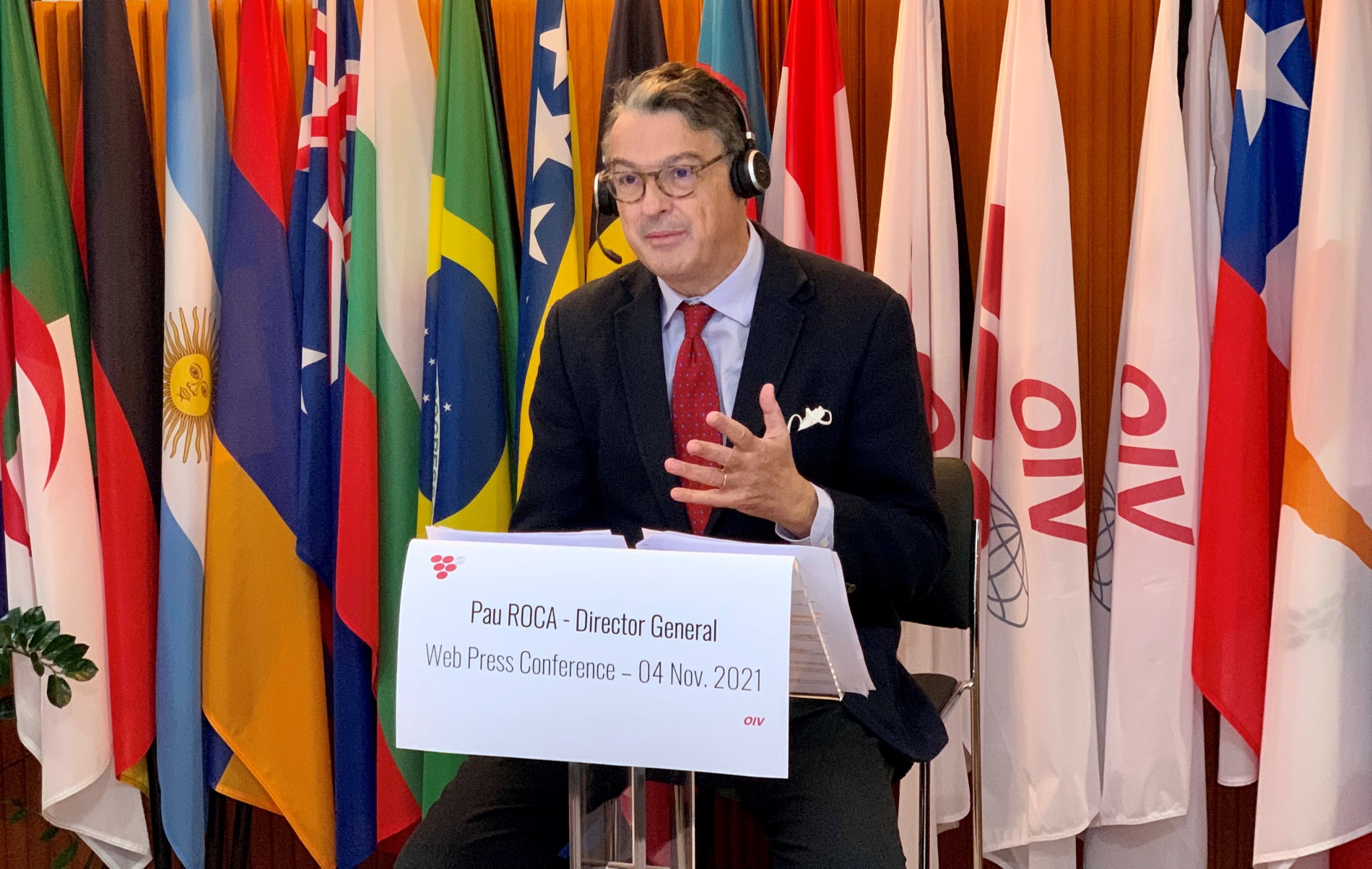
Speaking from the OIV’s headquarters in Paris, by web conference, Director General Pau Roca, presented on 4 November, the first estimates of 2021 world wine production.
•Low production volume anticipated in the EU, notably in Italy, Spain, and France, which together lost about 22 mhl with respect to 2020 due late spring frost and overall unfavourable climatic conditions.
• The only large EU wine producing countries that recorded harvests bigger than 2020 are Germany, Portugal, Romania and Hungary.
• First harvest forecasts in the USA indicate production volumes slightly above those of 2020.
• Very positive year for Southern Hemisphere vineyards where relatively favourable climatic conditions lead to record high production levels in countries of South America, South Africa and Australia, with New Zealand being the only exception.
Replay
2021 Wine production first estimates

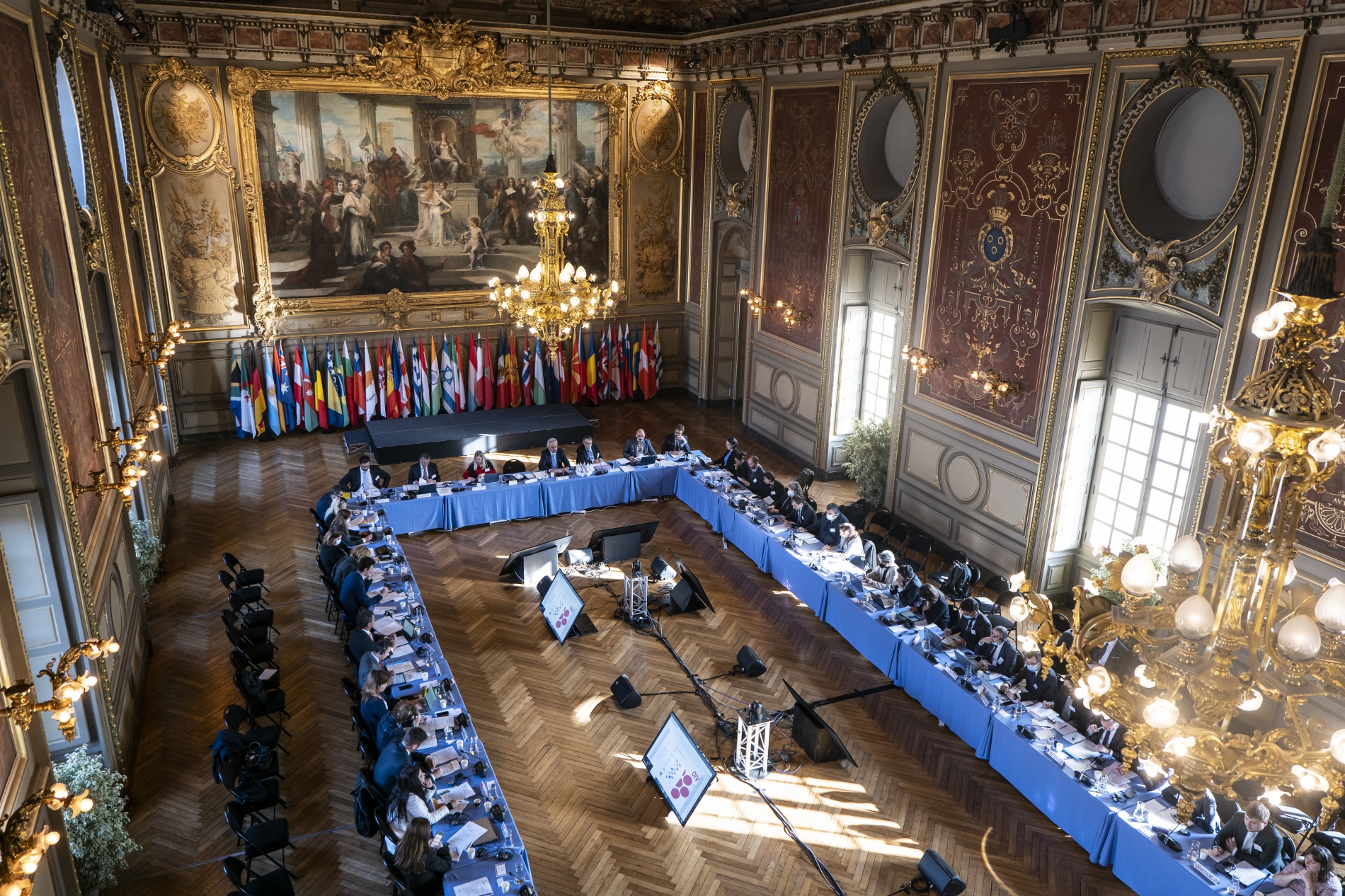
The General Assembly has decided to transfer the headquarters of the OIV with the relocation of the Secretariat from Paris to Dijon. The 48 member states accepted France's proposal to provide the OIV with headquarters, ensuring temporal, legal and financial stability for the Organisation.
With the rising interest in the viticultural sector to find environmentally-friendly production methods, the upcoming thematic focus on the World Organic Vineyard, sheds light on the evolution of organic viticulture, which is a rising trend since the end of the 20th century. This development can be explained in large part by societal issues, particularly in relation to consumer health and environmental protection.
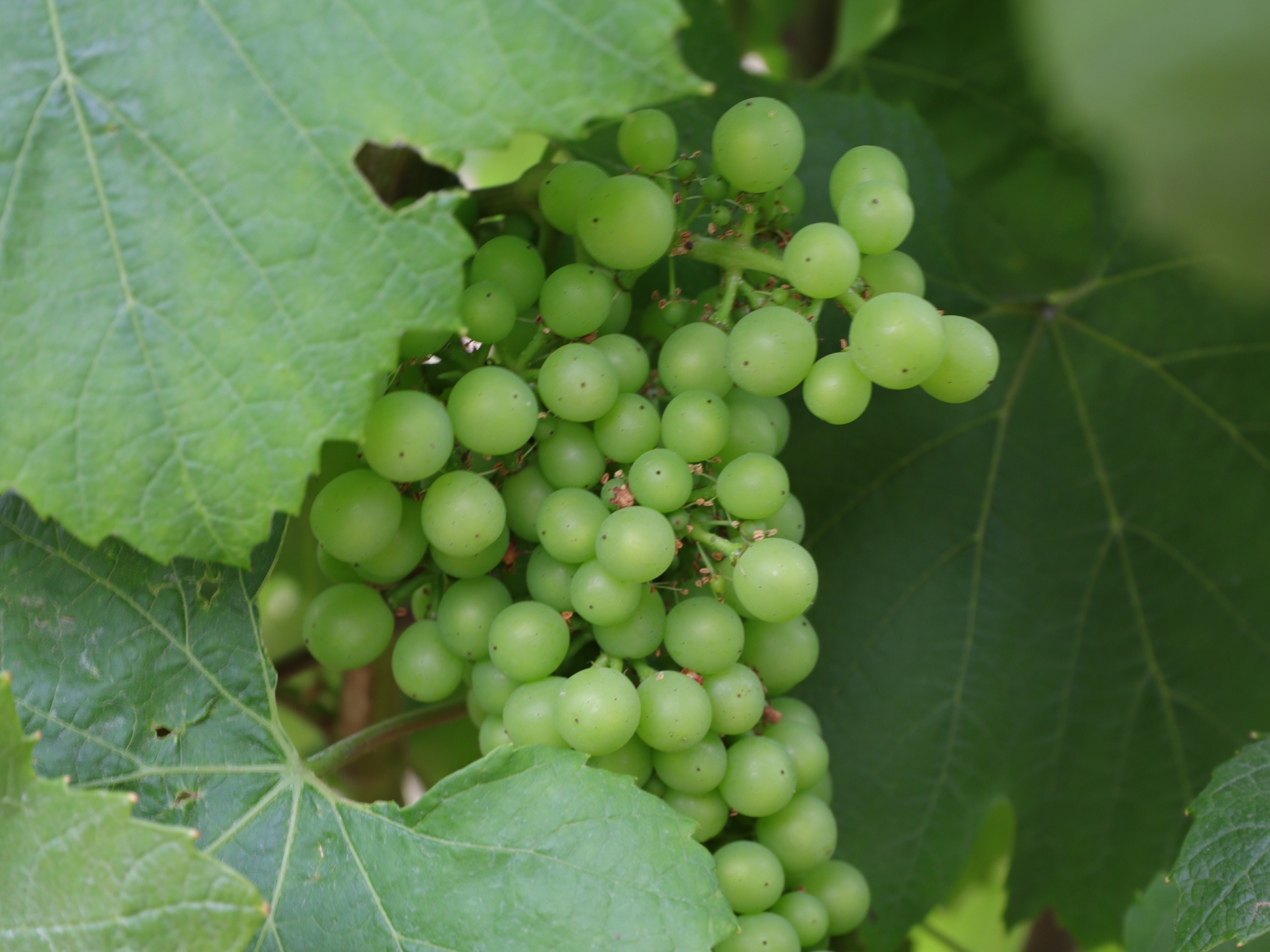
This report surveys the development and repartition of certified organic vineyard areas producing wine grapes, table grapes and raisins, covering the period 2005 to 2019.
There has been a surge in organic vine surface areas across the world, combined with a strong trend towards certification.
The rate of conversion of vineyards to organic production has increased considerably since the beginning of the 21st century. Over the entire period analysed for this report (2005–2019), the certified organic vineyard surface area increased by an average of 13% per year, while the ‘non-organic’ vineyard area decreased by an average of 0.4% per year within the same timeframe. One of the factors explaining this intense growth rate is the fact that certified organic viticulture is still a recent phenomenon.
In 2019, a total of 63 countries across all continents were involved in organic viticulture and the certified organic vineyard surface area was estimated at 454 kha, representing 6.2% of the world’s total area under vines.
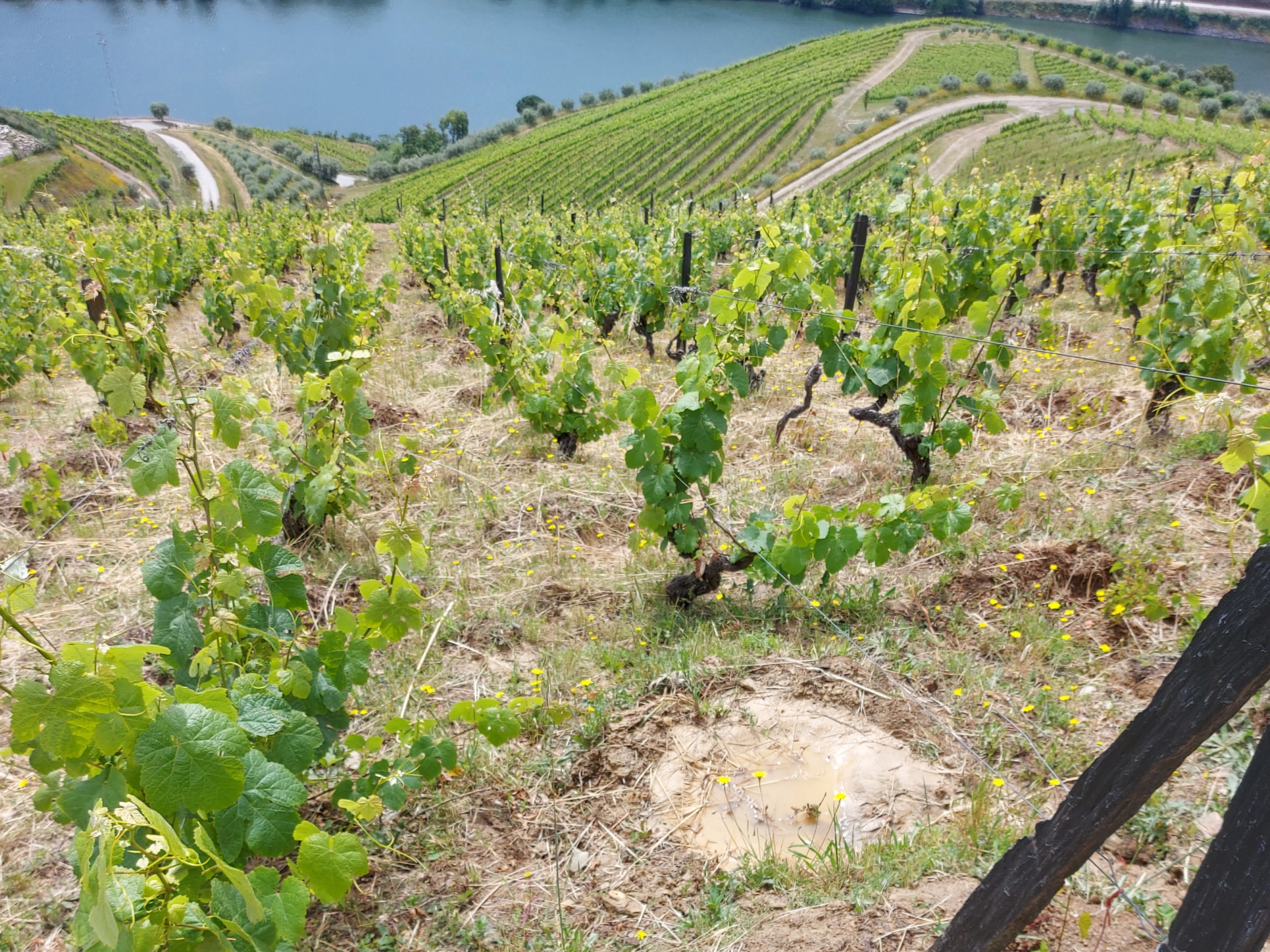
Spain, France and Italy together account for the 75% of organic vineyards in the world total distribution.
In terms of the weight of organic vineyards as a share of the country’s total area under vines, the ranking is dominated by European countries. Italy devotes 15% of its vineyards to organic viticulture, followed by France (14%) and Austria (14%). The only non-European country inside the top 10 is Mexico, with 8% of its vineyard area certified organic.
However, behind this growth in the world’s organic vineyards, there is nonetheless significant movement in both an upwards and downwards direction, since the conversion of a vineyard to organic cultivation is often complex and requires a considerable amount of adaptation. Weather phenomena or structural and/or organisational issues may drive producers to abandon their certification in organic production, resulting in a local decrease in organic vineyard areas.
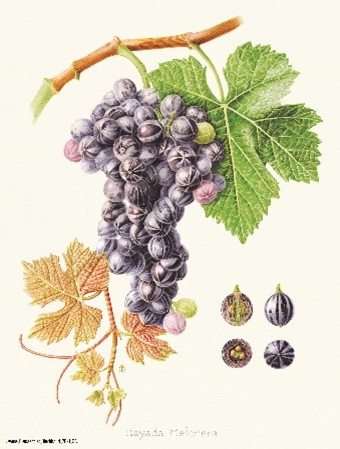
Director General of the OIV, Pau Roca, and the Community of Madrid’s Deputy Minister of the Environment, Spatial Planning and Sustainability, Mariano González Saez, presented 25 participants of 9 different nationalities each with an attendance certificate and an artistic illustration of the endemic variety Rayada Melonera.
This renewed initiative, launched by the OIV in collaboration with the Madrid Institute of Rural, Agricultural and Food Research and Development (IMIDRA), was created to actively promote ampelography by training new professionals in the sector.
Ampelography is a branch of botany related to the study, description and classification of vine species and varieties
The OIV International Course in Ampelography follows a historical trajectory that began in 1988 in Italy (ISV Conegliano), and continued in 1990 in France (ENSA Montpellier) and in 1992 in Germany (BZWG-IR Geilweilerhof).
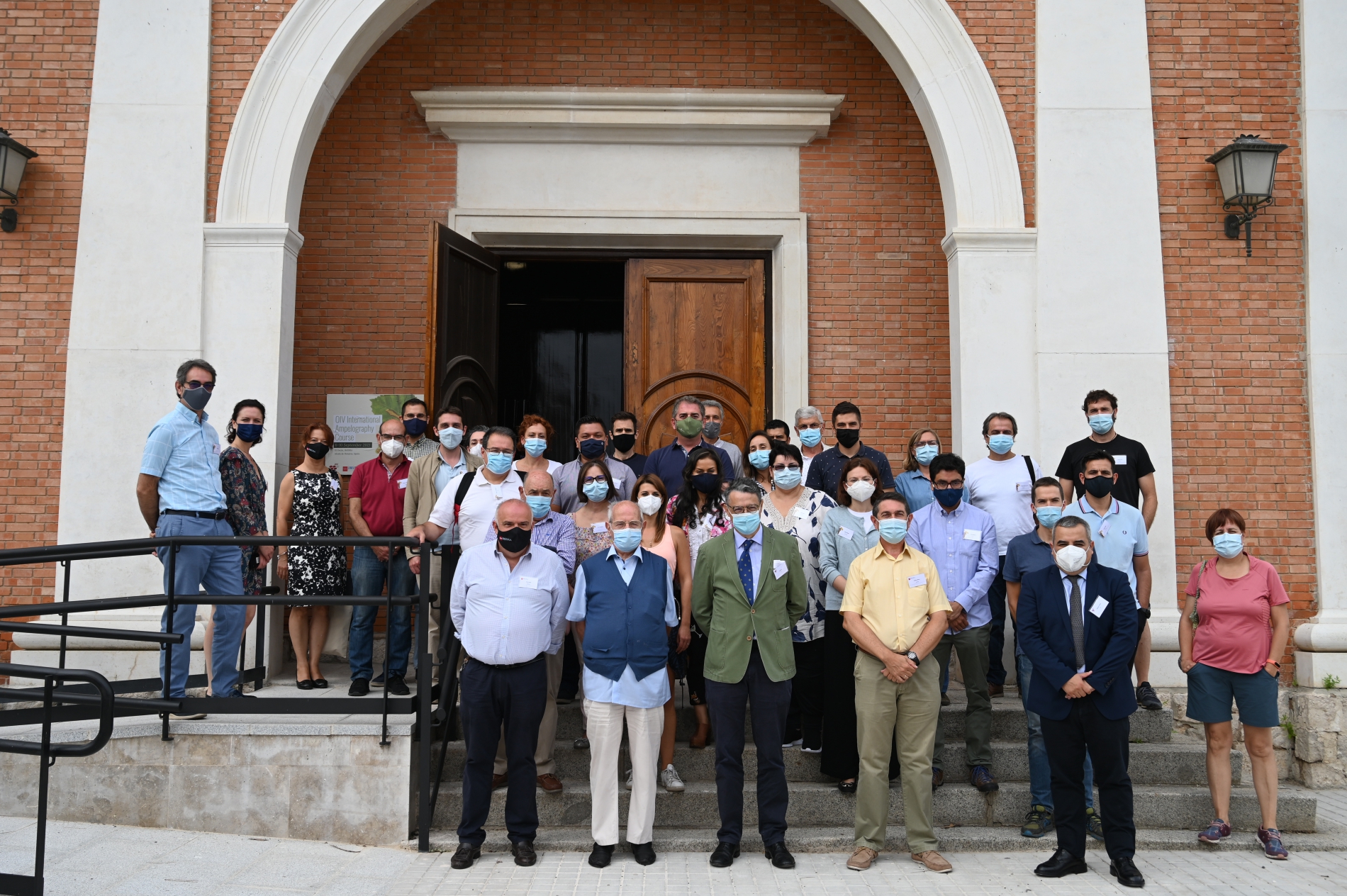
In 2021, specialists in the discipline met at the El Encín estate, a centre of reference in Alcalá de Henares in the Community of Madrid where agri-food and agro-environmental research projects are carried out. Under the management of Gregorio Munoz and Felix Cabello, the Agri-Food Department conducts studies on obtaining quality wines and conserving and studying native varieties.
On the five-day training programme, high-profile international speakers combined theory – in the ancient on-site chapel renovated for the occasion – with practice – in the richest vine collection in Spain, and one of the largest in the world, with nearly 4000 varieties.
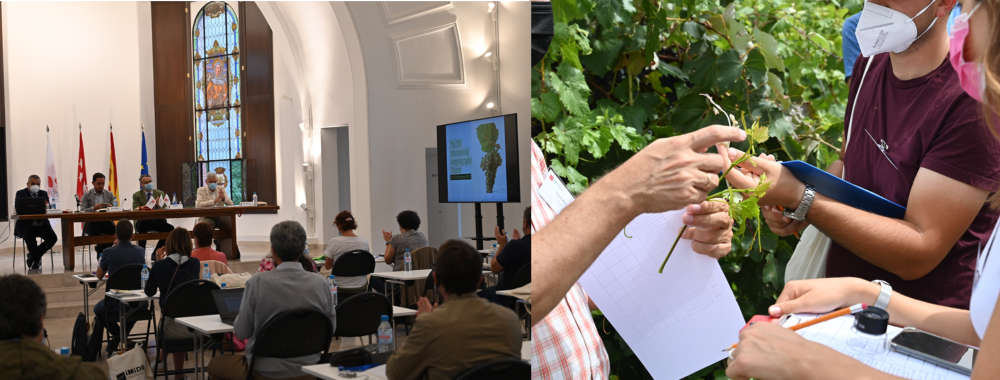
El Encín houses one of the most important vineyard collections in the world.
In July 2022, the course will take place in Montpellier, France, in cooperation with the IFV (French Wine and Vine Institute), INRAE (France’s National Research Institute for Agriculture, Food and Environment) and Montpellier SupAgro. Thierry Lacombe, a French ampelographer and engineer at INRAE in Montpellier, was present throughout the week for the purposes of facilitating this handover.
The course is in line with the ongoing work of the “Viticulture” Commission and the “Genetic Resources and Vine Selection” (GENET) Expert Group. Luigi Bavaresco, President of the GENET Group, participated in the opening and a part of the course by presenting the current and upcoming work.
For more details on the work of the “Viticulture” Commission, contact Alejandro Fuentes Espinoza, Head of the Viticulture Unit, at viti@oiv.int and/or Solange Slack, OIV Project Manager, at comunication@oiv.int
For more information on the upcoming 2022 course, send an email to oivampelography@oiv.int.
You can also read testimonials from the speakers and the participants.