An Italian has been elected President of the International Organisation of Vine and Wine for the next three years, succeeding the Brazilian Regina Vanderlinde.
Luigi Moio is Professor of Oenology at the University of Naples and Director of the Vine and Wine Science Section of the same University.
For over 25 years he has been involved in the sensory, biochemical and technological aspects of the aroma of wine. He is the author of around 250 scientific publications with an H-Index of 41 for Google Scholar, 32 for Scopus and 32 for WOS, with over 4800 (Google Scholar), 2800 (Scopus) and 2900 (WOS) quotations.
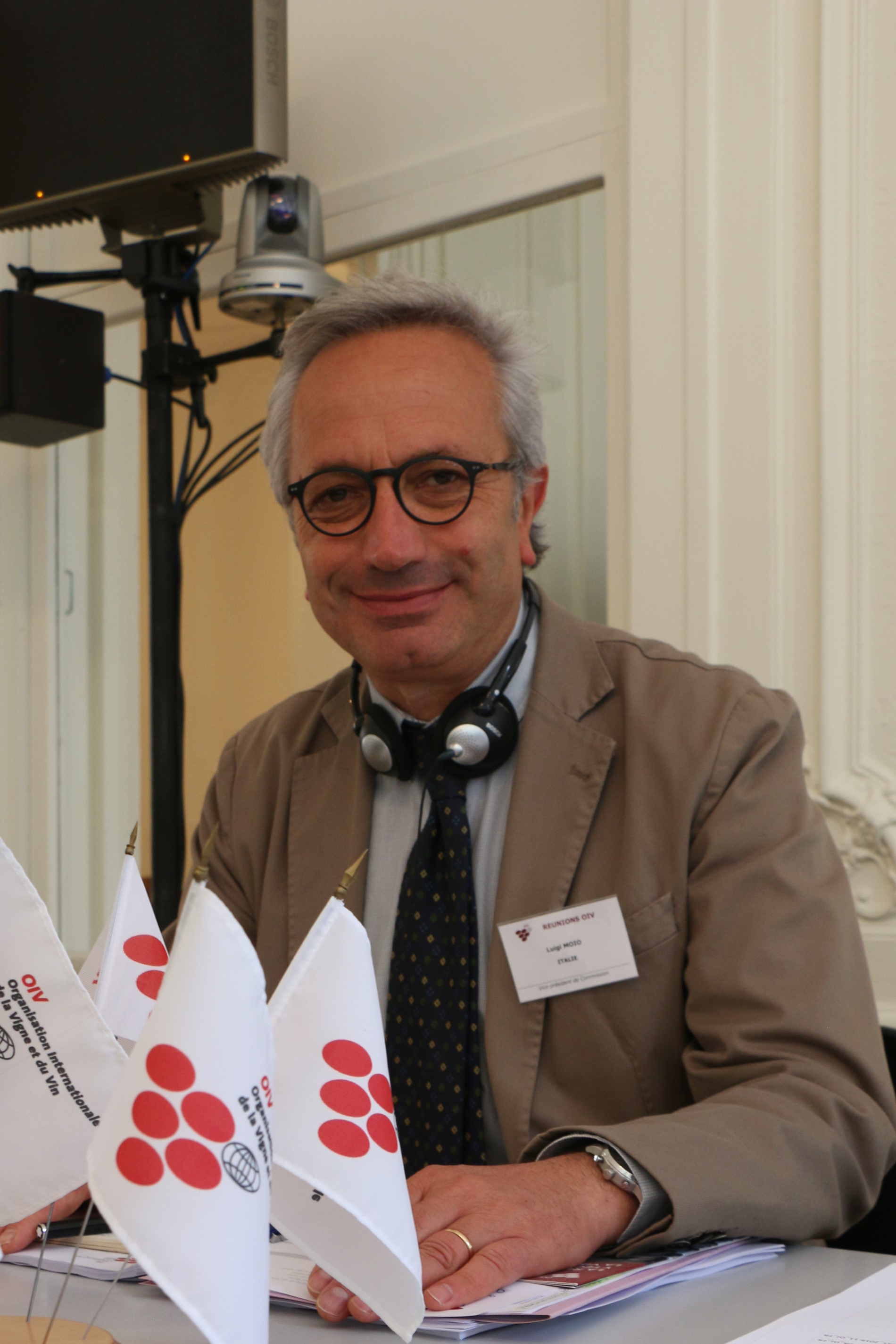
Since 1998 he is a scientific expert for the Italian Ministry of Agricultural Policies. From 2009 to 2014 he was Chairman of the Technology Expert Group of the OIV (International Organisation of Vine and Wine) and from 2015 to 2018 of the Oenology Commission. He was the OIV’s 2nd Vice-President.
He is a member of the Georgofili Academy and the Italian Academy of Vine and Wine. Author of books and articles on the scientific aspects of oenology, he is often interviewed on Italian national network broadcasts on issues related to the wine sector.
In 2016, he published the book Il Respiro del Vino for Mondadori. A scientific essay on the aroma of wine that won several awards. The book is in its tenth edition with around 30,000 copies sold in Italy. In 2020 the French edition of the book Il Respiro del Vino was published in France with the title: Le Souffle du Vin for the publishing house Editions France Agricole.
In 2001 he founded the Quintodecimo winery where he produces quality wines with the most prestigious denominations in Campania.
At this General Assembly the Presidents of the scientific bodies were also elected:
Commission I Viticulture
Ahmet Altindisli (Turkey) succeeds Vittorino NOVELLO (Italy)
Commission II Enology
Fernando Zamora (Spain) succeeds Dominique TUSSEAU (France)
Commission III Law and Economy
Yvette van der Merwe (South Africa) succeeds Dimitar ANDREEVSKI (Bulgaria)
Commission IV Safety and Health
Pierre-Louis Teissedre (France) succeeds Gheorghe ARPENTIN (Moldavia)
Sub-commission Methods of Analysis
Manuel Humberto Manzano (Argentina) succeeds Markus HERDERICH (Australia)
Sub-commission Non-fermented products, table grapes and raisins
Luís Carlos Ferreira Peres de Sousa (Portugal) succeeds Alejandro MARIANETTI (Argentina)
The International Organisation of Vine and Wine (OIV) has commended the International Union for Conservation of Nature (IUCN) World Conservation Congress, currently taking place in Marseilles, France, from 3 to 11 September 2021.
The IUCN has become an international authority on the status of the natural world and its resources, as well as the measures needed to safeguard it. Alongside the crucial United Nations biodiversity and climate change conferences in Kunming and Glasgow, the IUCN Congress is an important opportunity bringing together key stakeholders, which will enable new objectives and measures to be set for a sustainable, healthy future for people and nature.
Biodiversity conservation and its link with the vitivinicultural sector now represent a priority issue for the work and action of the OIV and its 48 Member States, as defined in the Organisation’s 2020-2024 Strategic Plan which aims to promote eco-responsible vitiviniculture and preserve natural resources.
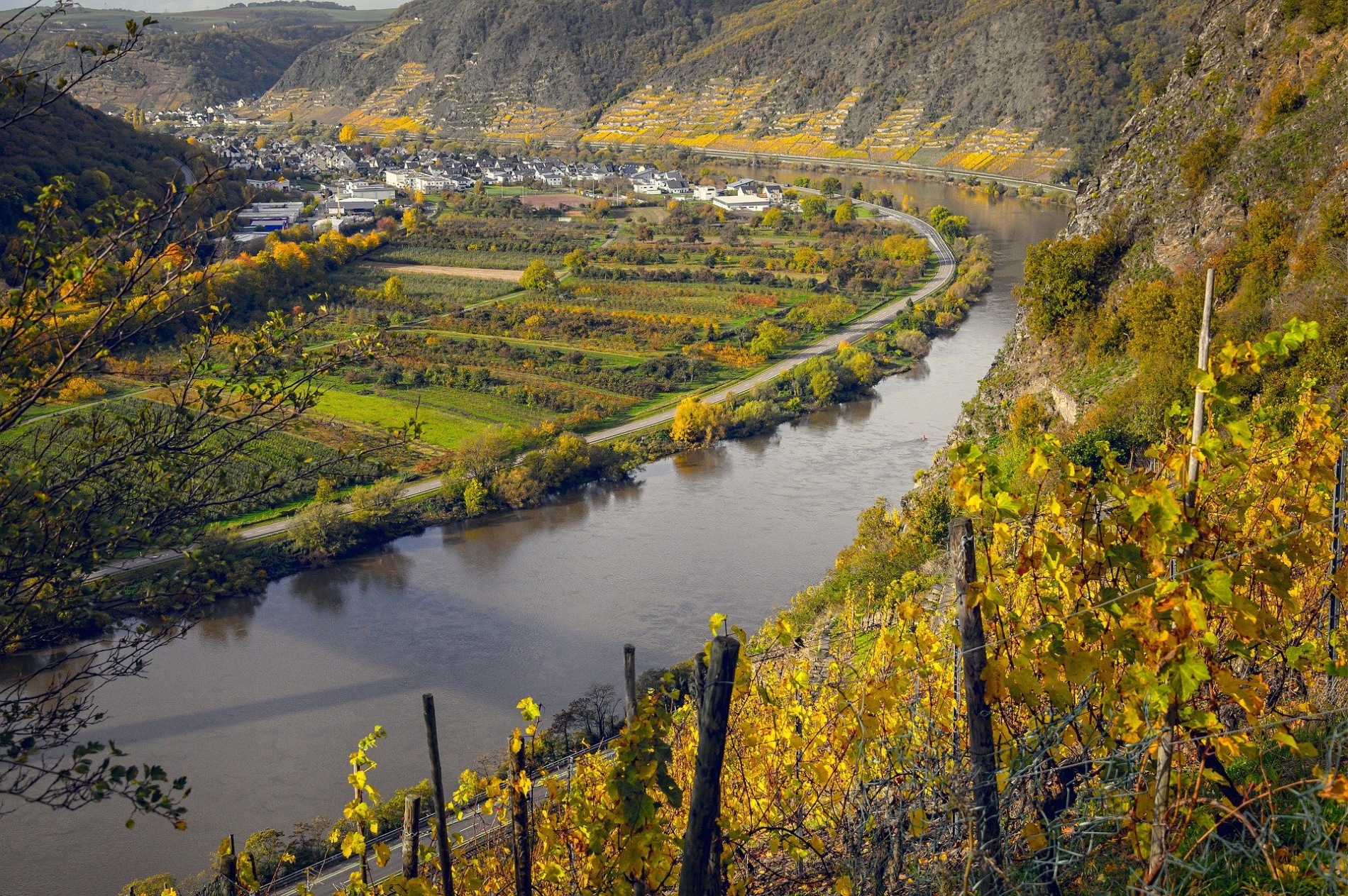
The OIV has been working for many years to sustainably integrate biodiversity management and conservation within the sector. Two examples of resolutions adopted in this regard are OIV-VITI 333-2010 on the “Definition of viticultural ‘terroir’”, which recognises biodiversity as an essential terroir characteristic, and OIV-CST 518-2016 on the “OIV General Principles of Sustainable Vitiviniculture”, which sets out information relating to biodiversity preservation.
More recent scientific work and recently adopted resolutions have given continuity to the importance of biodiversity for the OIV.
In 2018, the OIV published an important collective expertise document on functional biodiversity in the vineyard.
Finally, in July this year, the OIV General Assembly adopted the “OIV recommendations about valuation and importance of microbial biodiversity in a sustainable vitiviniculture context”. The OIV Member States recognised that microorganisms are potentially early indicators of the influence of external factors on the overall biodiversity of the vineyard. As such, the recommendation made was to promote and encourage the development of policies for quantitative and qualitative valuation of microbial abundance and microbial biodiversity in the vineyard.
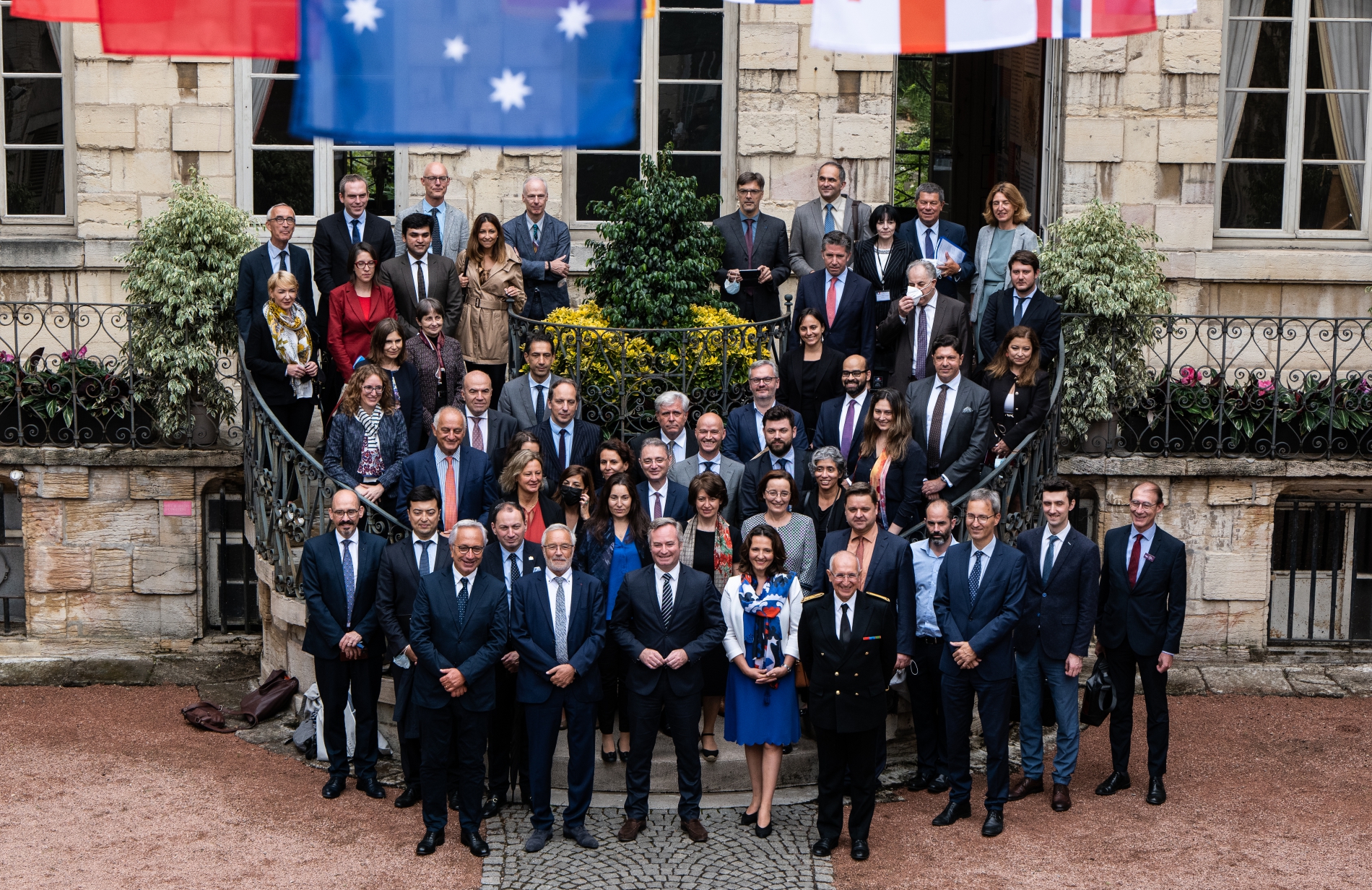
Two months after the General Assembly meeting in which France proposed Dijon as the future headquarters, in response to the OIV's premises needs, an invitation was issued by the capital of the Bourgogne-Franche-Comté region and the Secretary of State to the Ministry of Europe and Foreign Affairs, Jean-Baptiste Lemoyne, for a delegation of Member States to visit the facilities the city offers the Organisation.
Exceptional heritage: the Hotel Bouchu d’Esterno, a historic 17th-century building situated in the heart of the city
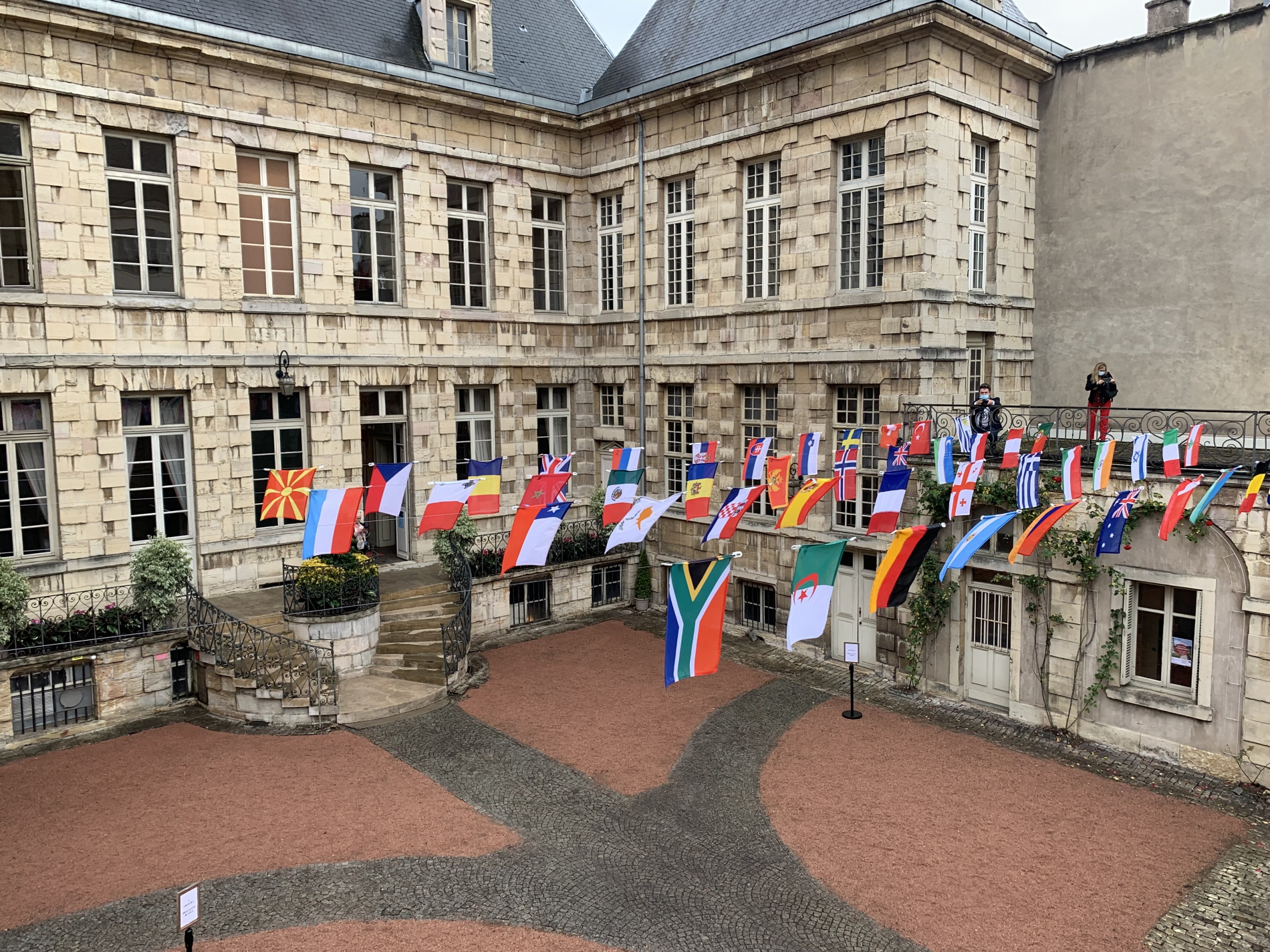
Dijon also offers a number of meeting, seminar and conference rooms for the Organisation's activities. During the course of the day, OIV President Luigi Moio highlighted the importance of the city as a hub of scientific and research, which creates a fertile ecosystem for the International Organisation of Vine and Wine. “The future Cité Internationale de la Gastronomie et du Vin (International City of Gastronomy and Wine of Dijon) is testament to our city’s international commitment,” emphasised Mayor François Rebsamen.
A strong, sustained commitment from the host state
“Moving the OIV headquarters to the Hotel d’Esterno in Dijon corresponds with France’s positioning in terms of multilateralism,” recalled Secretary of State Jean-Baptiste Lemoyne. The State Secretary also commented on the current tendency of decentralisation of institutions: “Brest is a candidate to host the World Meteorological Organization and Lyon is preparing to host the World Health Organisation Academy.”

After this visit, which gave diplomats an opportunity to assess the aspects Dijon offers the OIV, the OIV Member States now have a period to reflect before making a consensus-based decision at the General Assembly meeting set to take place on 25 October 2021 in this very city.
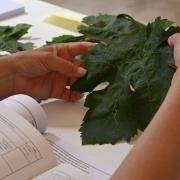
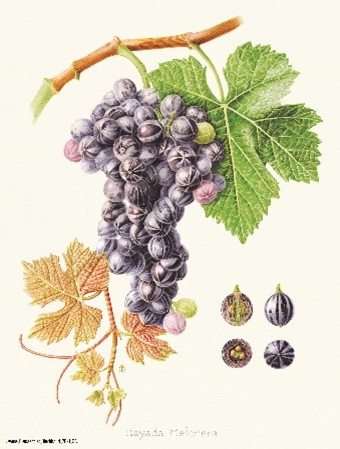
Director General of the OIV, Pau Roca, and the Community of Madrid’s Deputy Minister of the Environment, Spatial Planning and Sustainability, Mariano González Saez, presented 25 participants of 9 different nationalities each with an attendance certificate and an artistic illustration of the endemic variety Rayada Melonera.
This renewed initiative, launched by the OIV in collaboration with the Madrid Institute of Rural, Agricultural and Food Research and Development (IMIDRA), was created to actively promote ampelography by training new professionals in the sector.
Ampelography is a branch of botany related to the study, description and classification of vine species and varieties
The OIV International Course in Ampelography follows a historical trajectory that began in 1988 in Italy (ISV Conegliano), and continued in 1990 in France (ENSA Montpellier) and in 1992 in Germany (BZWG-IR Geilweilerhof).
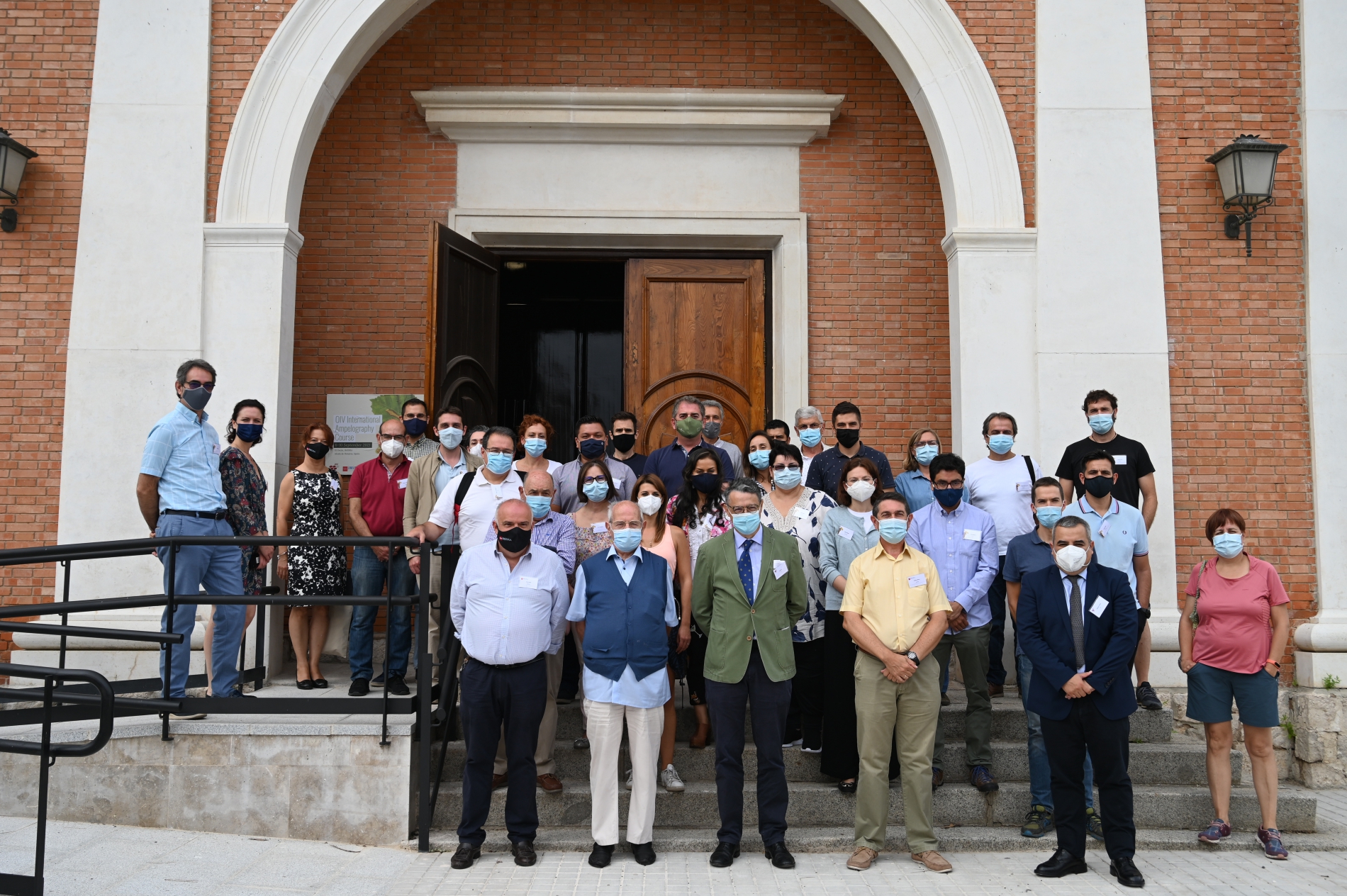
In 2021, specialists in the discipline met at the El Encín estate, a centre of reference in Alcalá de Henares in the Community of Madrid where agri-food and agro-environmental research projects are carried out. Under the management of Gregorio Munoz and Felix Cabello, the Agri-Food Department conducts studies on obtaining quality wines and conserving and studying native varieties.
On the five-day training programme, high-profile international speakers combined theory – in the ancient on-site chapel renovated for the occasion – with practice – in the richest vine collection in Spain, and one of the largest in the world, with nearly 4000 varieties.
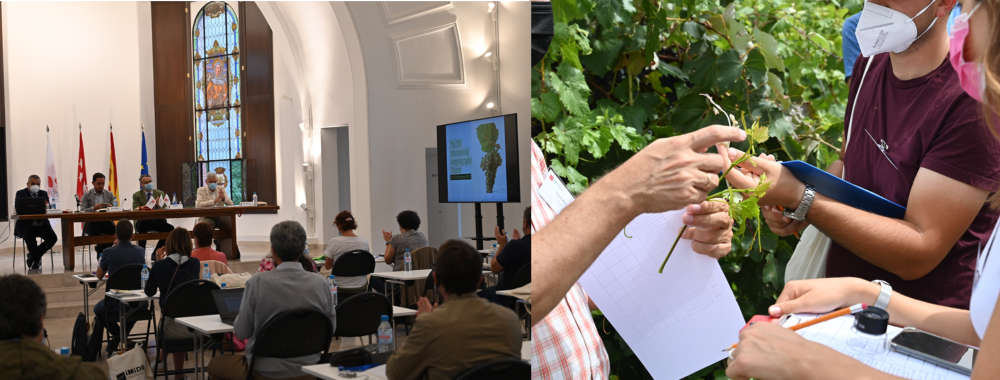
El Encín houses one of the most important vineyard collections in the world.
In July 2022, the course will take place in Montpellier, France, in cooperation with the IFV (French Wine and Vine Institute), INRAE (France’s National Research Institute for Agriculture, Food and Environment) and Montpellier SupAgro. Thierry Lacombe, a French ampelographer and engineer at INRAE in Montpellier, was present throughout the week for the purposes of facilitating this handover.
The course is in line with the ongoing work of the “Viticulture” Commission and the “Genetic Resources and Vine Selection” (GENET) Expert Group. Luigi Bavaresco, President of the GENET Group, participated in the opening and a part of the course by presenting the current and upcoming work.
For more details on the work of the “Viticulture” Commission, contact Alejandro Fuentes Espinoza, Head of the Viticulture Unit, at viti@oiv.int and/or Solange Slack, OIV Project Manager, at comunication@oiv.int
For more information on the upcoming 2022 course, send an email to oivampelography@oiv.int.
You can also read testimonials from the speakers and the participants.
With the rising interest in the viticultural sector to find environmentally-friendly production methods, the upcoming thematic focus on the World Organic Vineyard, sheds light on the evolution of organic viticulture, which is a rising trend since the end of the 20th century. This development can be explained in large part by societal issues, particularly in relation to consumer health and environmental protection.
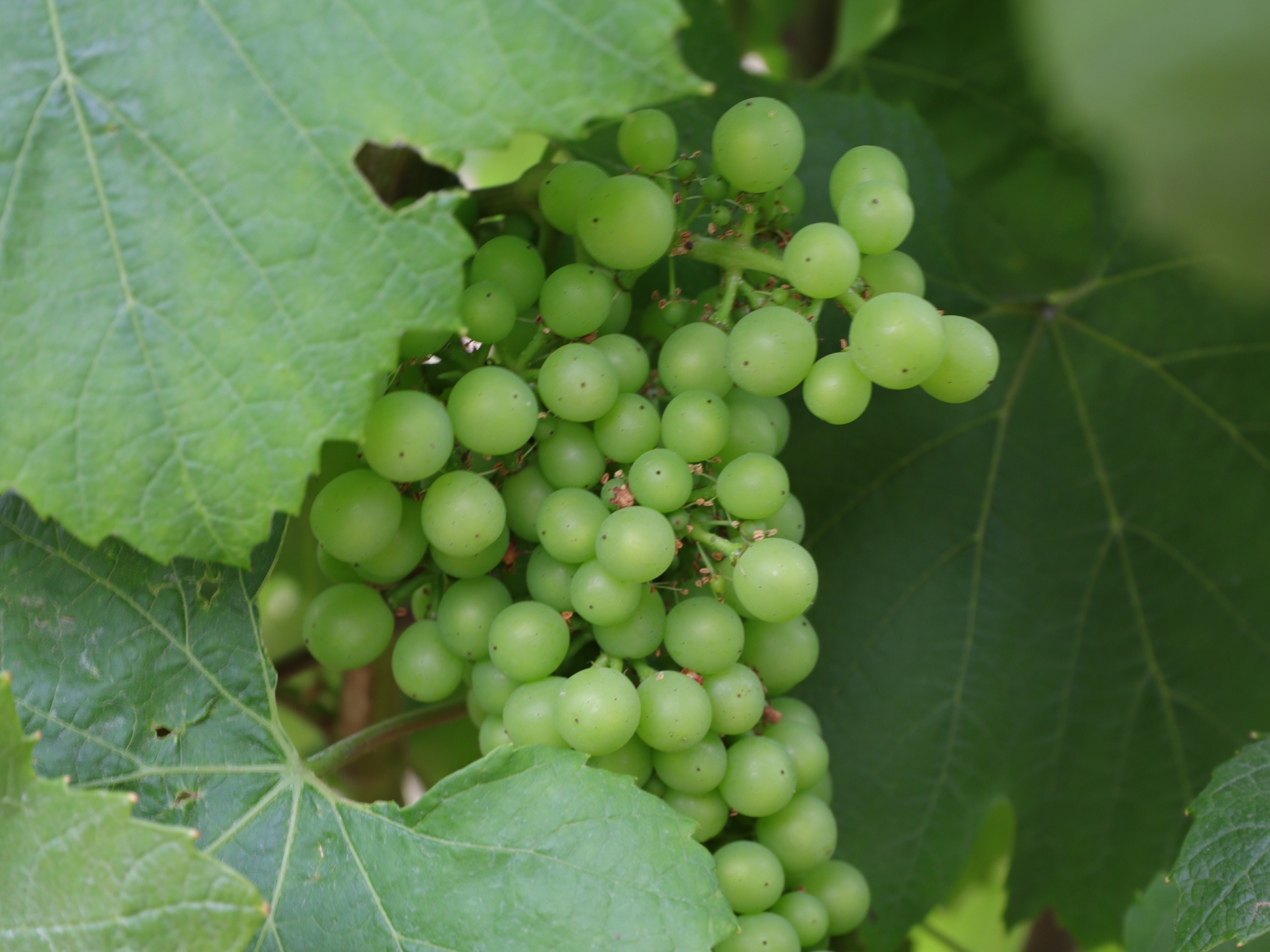
This report surveys the development and repartition of certified organic vineyard areas producing wine grapes, table grapes and raisins, covering the period 2005 to 2019.
There has been a surge in organic vine surface areas across the world, combined with a strong trend towards certification.
The rate of conversion of vineyards to organic production has increased considerably since the beginning of the 21st century. Over the entire period analysed for this report (2005–2019), the certified organic vineyard surface area increased by an average of 13% per year, while the ‘non-organic’ vineyard area decreased by an average of 0.4% per year within the same timeframe. One of the factors explaining this intense growth rate is the fact that certified organic viticulture is still a recent phenomenon.
In 2019, a total of 63 countries across all continents were involved in organic viticulture and the certified organic vineyard surface area was estimated at 454 kha, representing 6.2% of the world’s total area under vines.
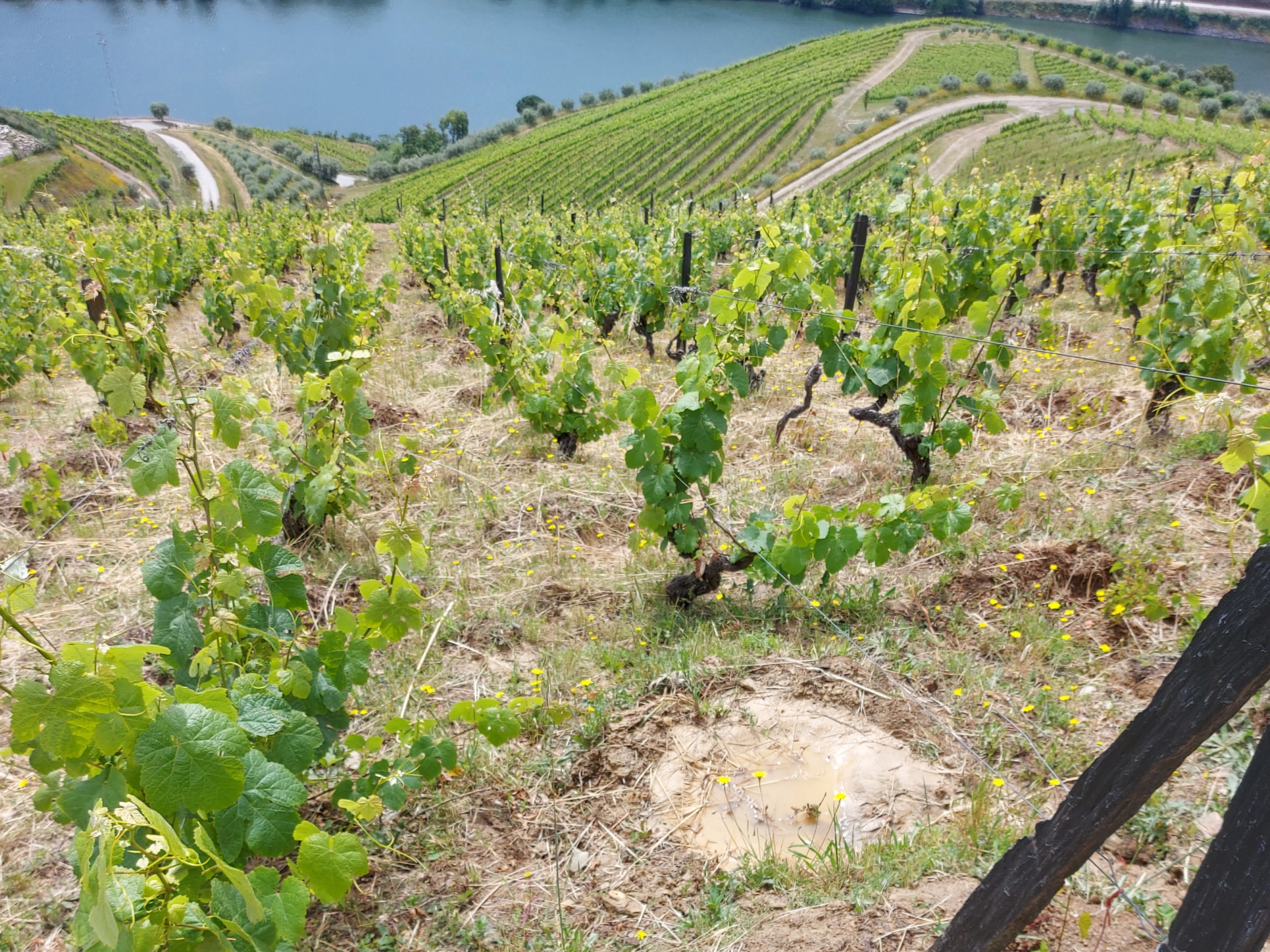
Spain, France and Italy together account for the 75% of organic vineyards in the world total distribution.
In terms of the weight of organic vineyards as a share of the country’s total area under vines, the ranking is dominated by European countries. Italy devotes 15% of its vineyards to organic viticulture, followed by France (14%) and Austria (14%). The only non-European country inside the top 10 is Mexico, with 8% of its vineyard area certified organic.
However, behind this growth in the world’s organic vineyards, there is nonetheless significant movement in both an upwards and downwards direction, since the conversion of a vineyard to organic cultivation is often complex and requires a considerable amount of adaptation. Weather phenomena or structural and/or organisational issues may drive producers to abandon their certification in organic production, resulting in a local decrease in organic vineyard areas.