The Ambassador was accompanied by ProChile’s Trade Commissioner for France, Ignacio Morandé, and by ProChile Adviser Camille Péron.
Participants at the meeting expressed their satisfaction at the quality of the relations established with Chile, a member of the OIV since 1952 and the first country from the southern hemisphere to join the Organisation.
During the meeting, the Ambassador highlighted the importance of his country’s wine industry, with its deep cultural roots and the positive image enjoyed by Chilean wine. With a production of 12.9 million hectolitres in 2018, Chile ranked seventh place worldwide. The Ambassador also stressed the importance of table grape production in Chile, which historically has been the world’s main exporter of table grapes.
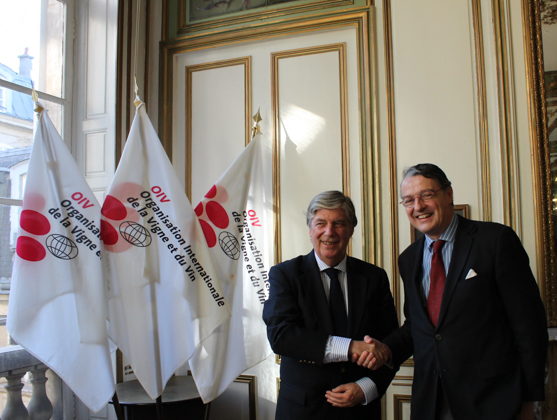
H.E. Juan Salazar Sparks and ProChile drew attention to the significant advances driven by Chile’s international wine trade, in quality and price, as well as efforts in recent years to use native Chilean grape varieties.
Strengthening and disseminating Chile’s technical expertise for the benefit of other Member States
In this regard, participants also spoke of promoting relations with the Organisation, and of strengthening and disseminating Chile’s technical expertise for the benefit of other Member States, through the increased participation of Chilean experts in the OIV’s different commissions, sub-commissions and expert groups.
Pau Roca welcomed Chile’s role in organising the OIV’s 43rd World Congress of Vine and Wine, set to be held in Chile from 22 to 27 November 2020. The Congress will be an opportunity to showcase the successes of the vitivinicultural sector in Chile, which last hosted an OIV Congress in 1986.
The President of the OIV, Regina Vanderlinde, and the Scientific Coordinator of the OIV, Jean-Claude Ruf, took part in the 31st session of the Codex Committee on General Principles (CCGP) held on 11-15 March 2019 in Bordeaux, France.
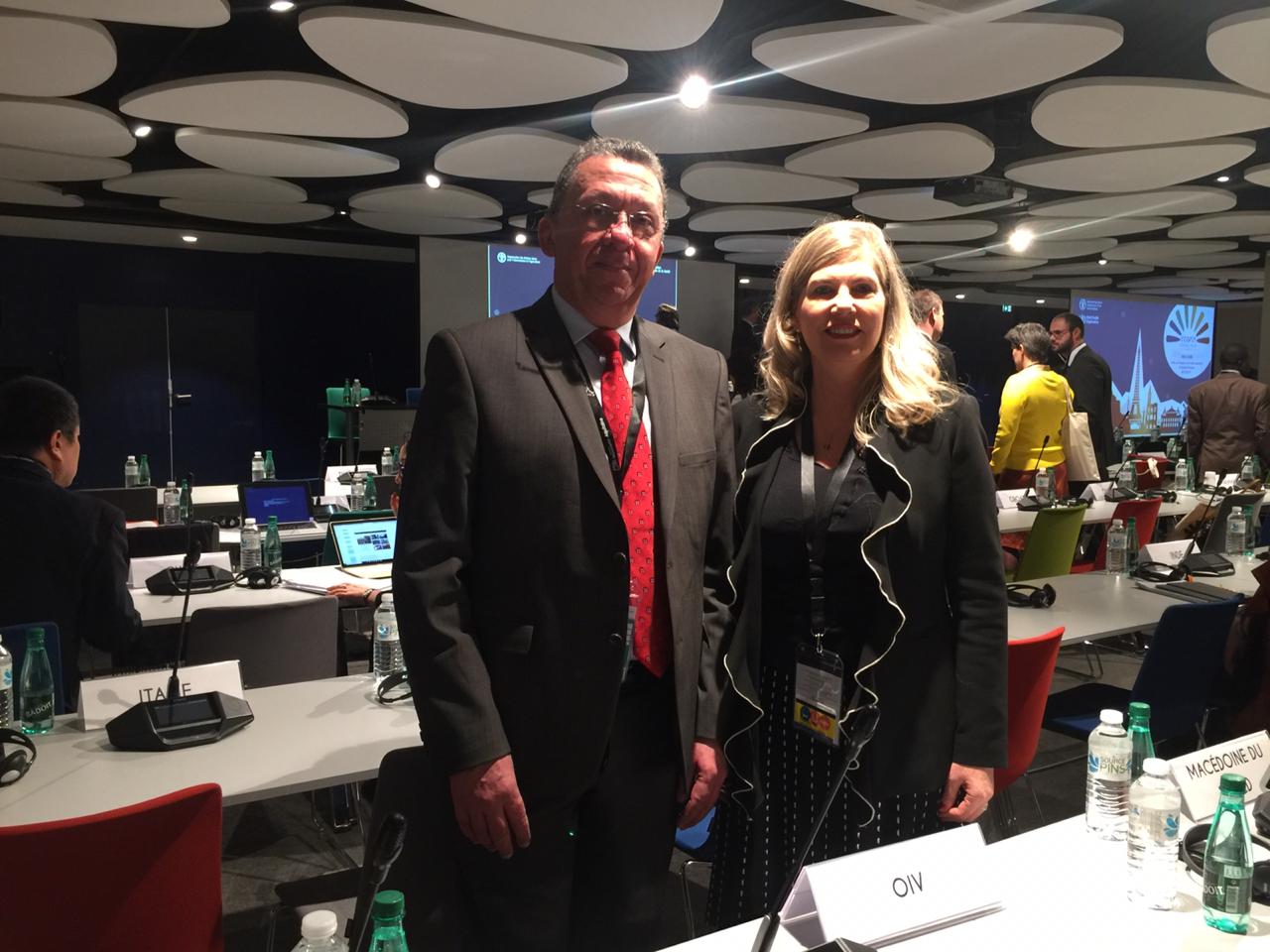
During discussions on emerging and future issues, the President highlighted that several topics under discussion within the CCGP were also being dealt with within the OIV, which illustrated the need to pursue and increase collaboration between the two organisations.
Regina Vanderlinde specified that the OIV was participating in several projects that were also being discussed within the Codex, namely:
- consideration of the 2030 Sustainable Development Goals,
- the issue of food fraud, and the integrity and authenticity of food products,
- consumer information, through the work of the Codex Committee on Food Labelling (CCFL),
- observation of the application of standards,
- mechanisms with the aim of improving coordination with other international organisations.
The President of the OIV concluded by stating that it was necessary to pursue cooperation and coordination in relation to activities that present a common interest for the OIV and the Codex, and that it would be important for the Codex to draw upon the expertise of the OIV as a reference organisation for vitivinicultural products.
Speech by Regina Vanderlinde (in French with English subtitles)
Audio file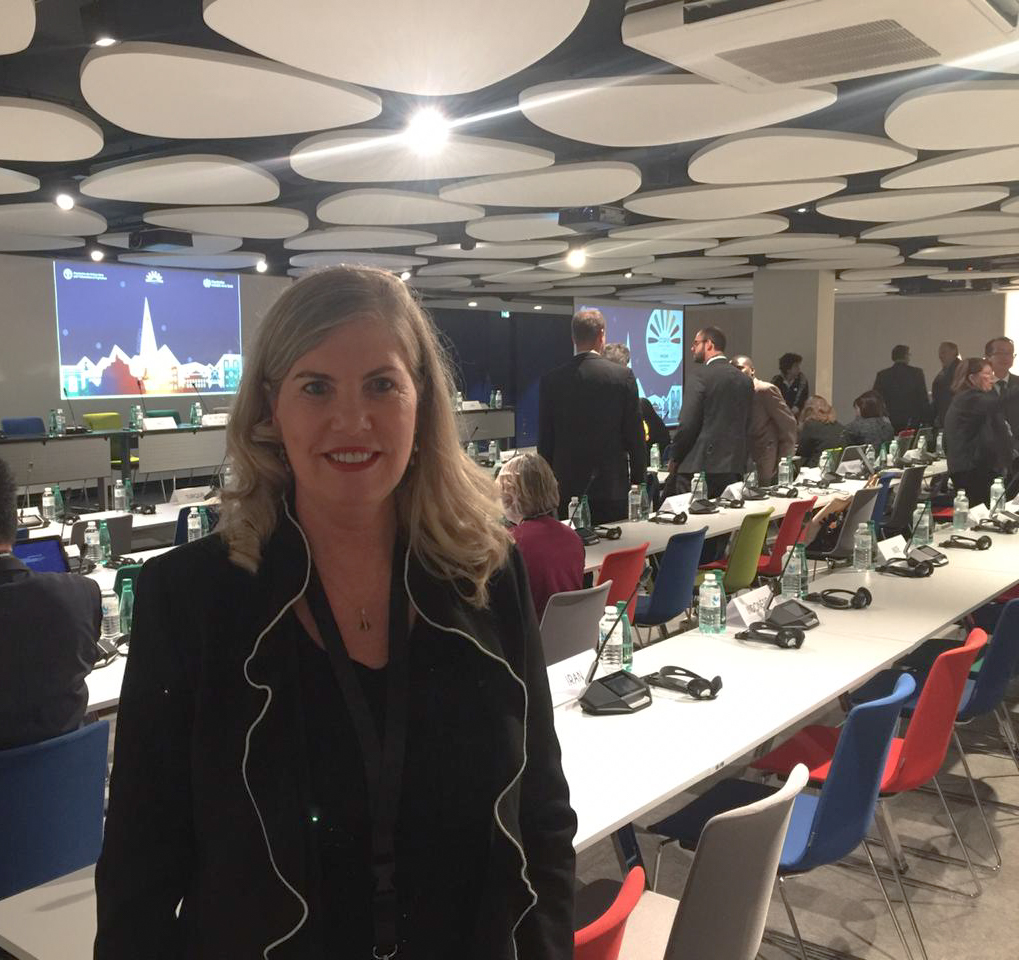

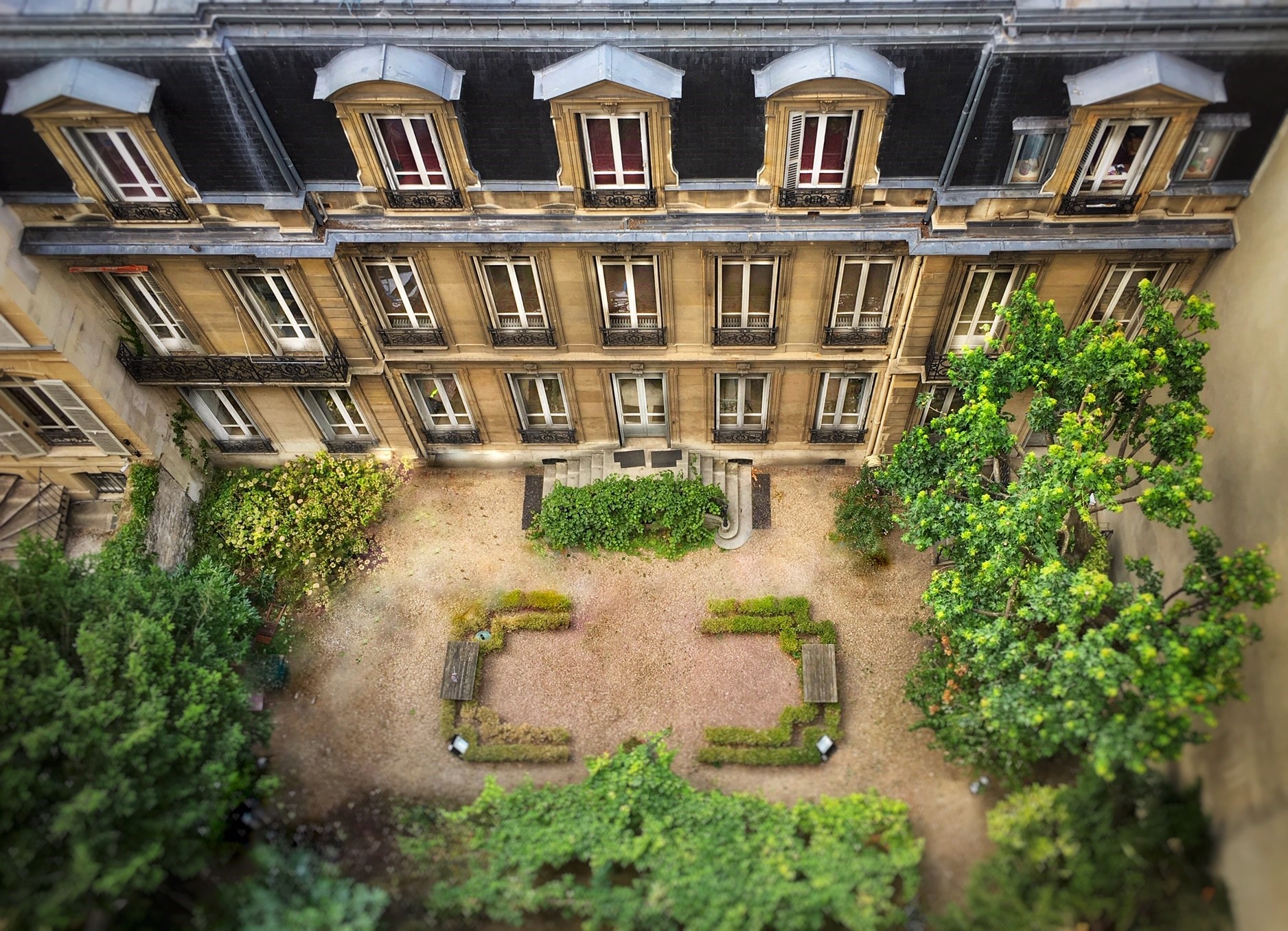
At the last meeting of the OIV’s Executive Committee, Director General Pau Roca informed Member States that a new lease had been signed for a functional site in rue Monceau (in the 8th arrondissement of Paris), while laying the groundwork for a more suitable location to be found with France, in its capacity as host State of the Organisation’s headquarters.
Located near Parc Monceau, the headquarters of the World Organisation for Animal Health (OIE), and a conference centre, the new headquarters will undergo some refurbishment work over the summer, which certain firms from the sector could support through sponsorship. For the remaining work, a call for interest has been issued in order to select suitably qualified firms.
Many Member States have expressed their regret at leaving the historic headquarters, remembered as the place where the Agreement re-establishing the OIV was negotiated. But they have also called for a solution to find, between now and the OIV’s centenary in 2024, a permanent site for the headquarters, where the Organisation can continue to develop new activities and meet the challenges of the next century.
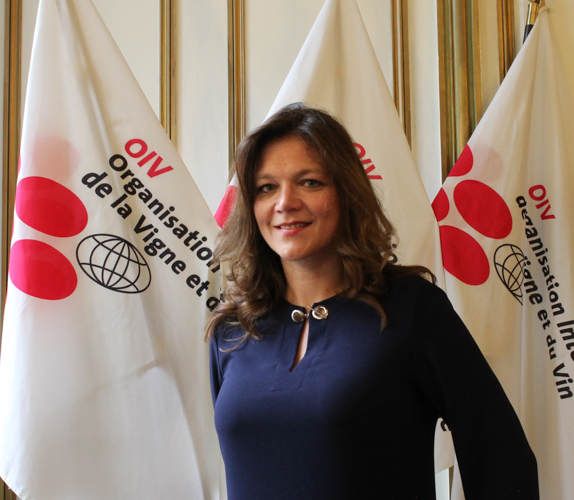
On 5 April 2019, the OIV Scientific and Technical Committee appointed the historian, medievalist, and specialist in the history of wine to the position of President of the International OIV Award Jury.
Azélina Jaboulet-Vercherre is the first woman to be appointed to this position since the creation of the OIV Awards in 1930.
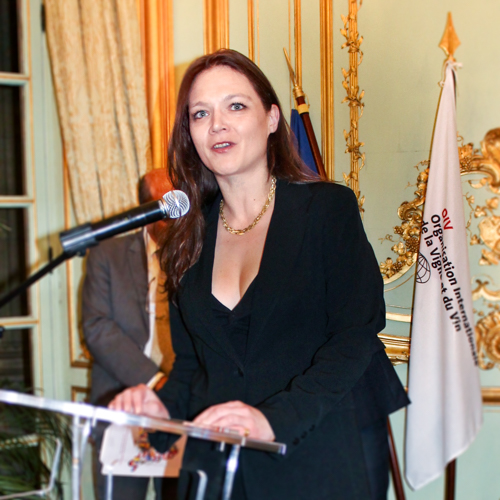
The new President of the OIV Award Jury received her PhD in history from Yale and has been conferred degrees in no fewer than four disciplines, namely art history, archaeology, literature, and history.
Her thesis focused on medical literature and natural philosophy from the twelfth to the fifteenth centuries.
Apart from her studies in history, the author has developed her critical mindset thanks to her multidisciplinary educational background in art history and Anglo-American literature.
Her innovative style when it comes to wine is entirely unique: she draws attention to the harmony between wine, art, music, emotion and feelings.
Through her historiographical and cultural approach, she strives to promote renewal in the taxonomy of wine, going beyond conventional frameworks.
This interdisciplinarity brings a unique dimension to the wine history classes and lectures/wine-tastings she delivers worldwide.
A visiting professor at Sciences Po (Paris, Summer School), she was entrusted with the task of setting up the ‘Sciences Po Wine School’.
The several years she spent teaching at the Hospitality Management School of Lausanne (EHL) and at the Changins School of Oenology Engineering provided her with the opportunity to develop her knowledge of Swiss wines.
She is a wine judge and taster for a number of competitions.
Azélina Jaboulet-Vercherre has received two OIV Awards (2013 and 2015) and an OIV Special Mention (2017).
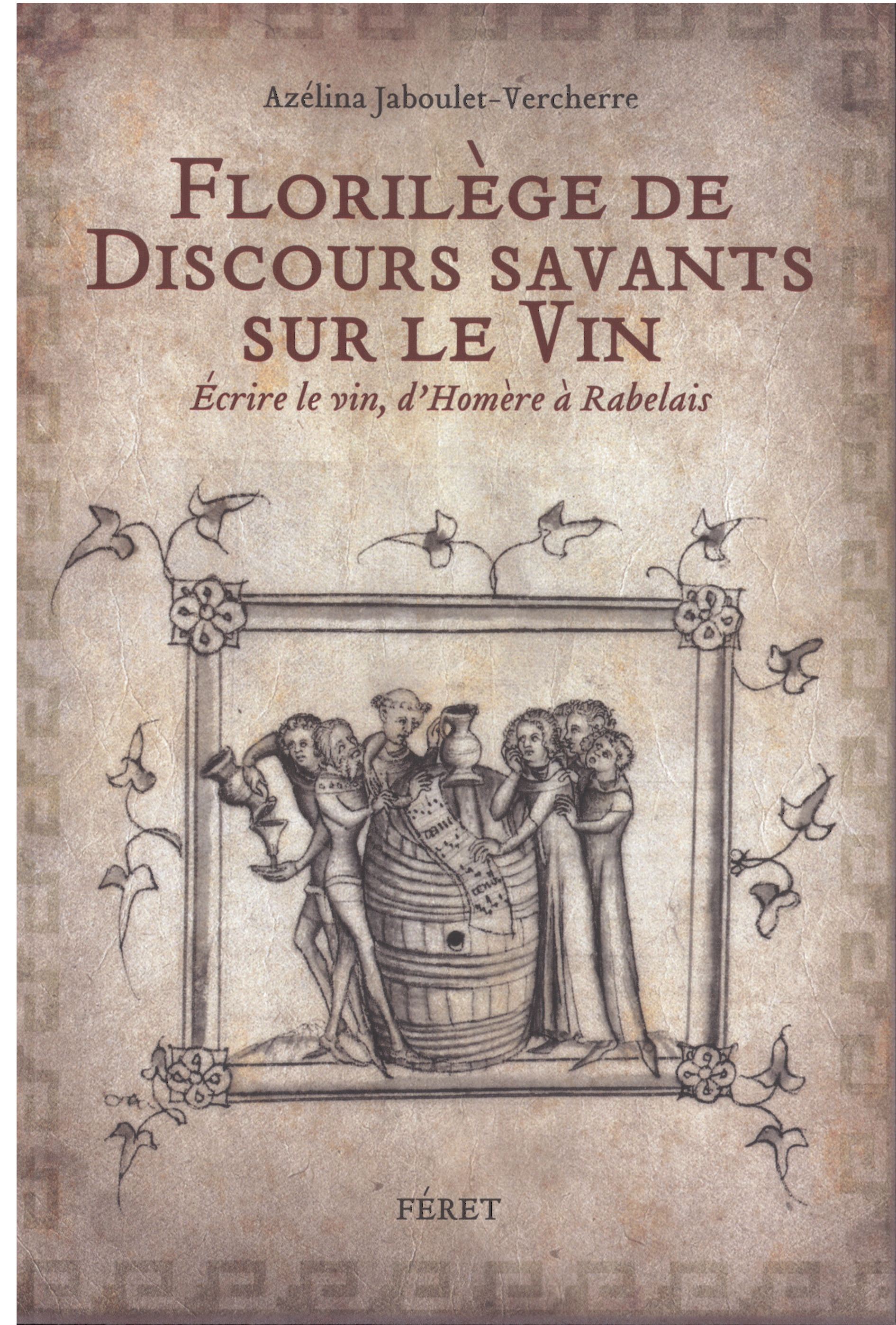
2013 OIV Award in History, Literature and Fine Arts with:
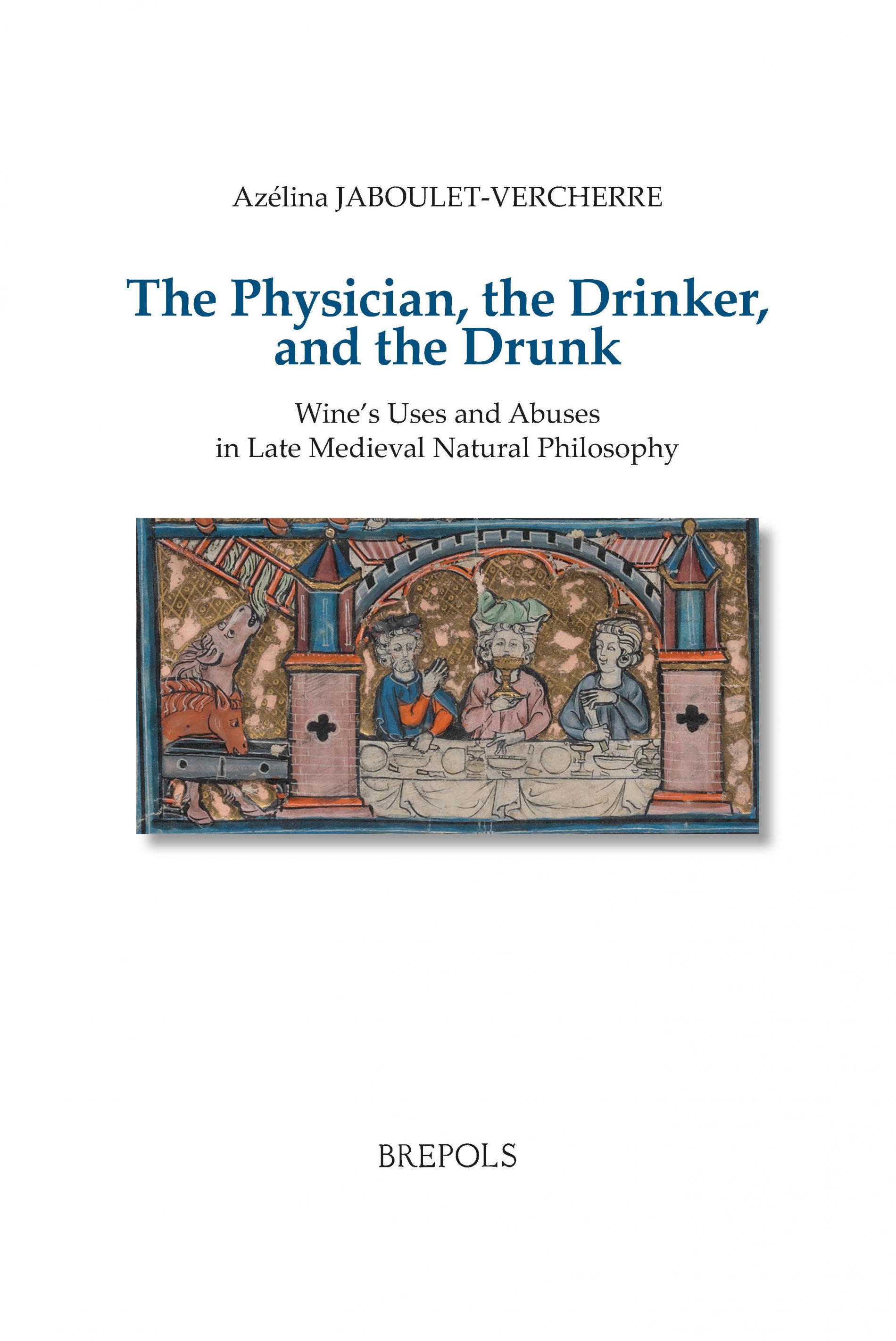
2015 OIV Award in Wine and Health with:
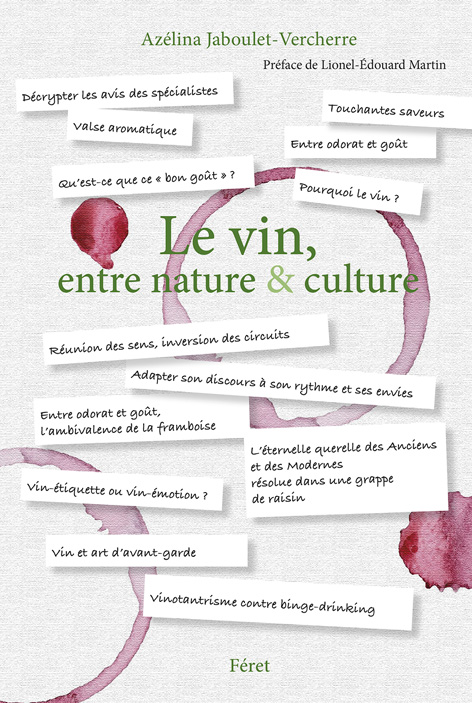
2017 OIV Special Mention in Literature with:
OIV AWARD JURY
MEMBERS 2019
President: Ms Azélina Jaboulet-Vercherre / France
1st Vice-President: Ms Christiane Blum / Luxembourg
2nd Vice-President: Mr Luís Carlos Ferreira Peres De Sousa / Portugal
Scientific Secretary: Mr Jean-Luc Berger (until October 2019) / France
President of the OIV: Ms Regina Vanderlinde / OIV (Brazil)
Director General of the OIV: Mr Pau Roca / OIV (Spain)
Vice-Presidents of OIV Commissions and Sub-Commissions
Mr Benjamin Bois / Viticulture / France
Mr Luigi Moio / Oenology / Italy
Mr Tony Battaglene / Economy and Law / Australia
Ms Nuria García Tejedor / Safety and Health / Spain
Mr Luís Carlos Ferreira Peres De Sousa / Table grapes, raisins and unfermented vine products / Portugal
Mr Ondřej Mikeš / Methods of analysis / Czech Republic
Former OIV Presidents (guest jury members)
Ms Monika Christmann / Germany
Ms Claudia Quini / Argentina
Mr Yves Bénard / France
Mr Peter Hayes / Australia
Mr Reiner Wittkowski / Germany
During this interview, Pau Roca recalled the fundamental missions of the OIV and its specificities in a globalised sector marked by an international regulatory framework inspired by or founded on the recommendations and expertise of the Organisation.
The Minister emphasised the importance of maintaining a balance between the different inclinations that may be expressed within the OIV. Didier Guillaume also conveyed the interest of France, as the host country of the Organisation, in marking the centenary of the OIV in 2024. This could see the convening of a Ministerial Conference on the major issues of the global viticultural sector.
Pau Roca also indicated the importance of the strategic axes implemented by the OIV with regard to sustainability, which meet the expectations expressed by the Minister in terms of the development of the agro-ecological transition, for which viticulture should play a promoting role.
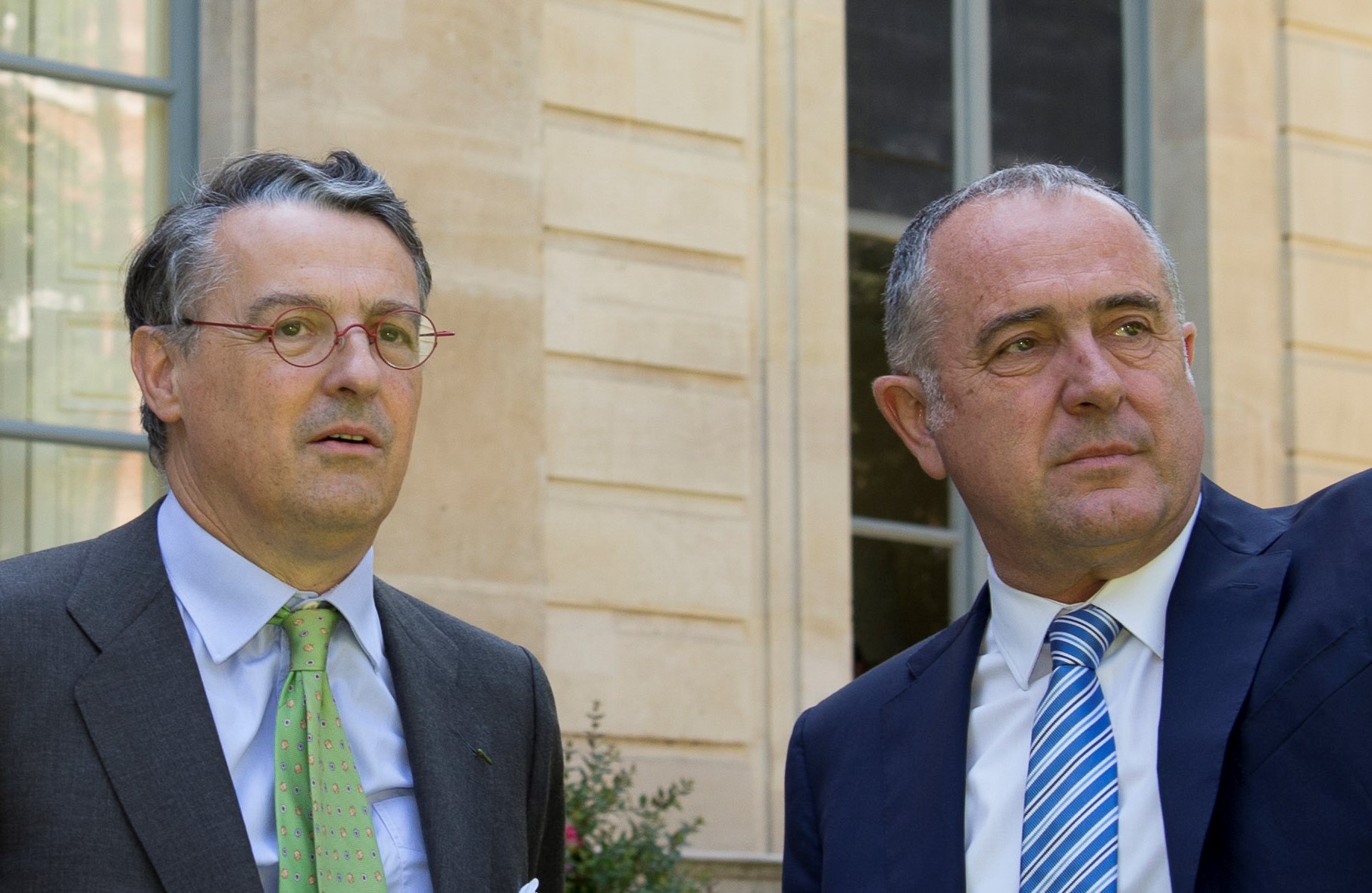
© Cheick Saidou / agriculture.gouv.fr.